
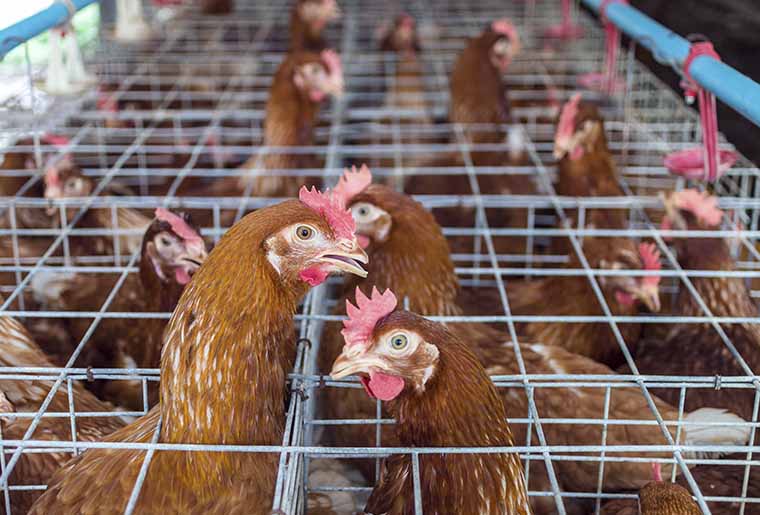
Each year, approximately 1.6 billion live animals cross European borders for slaughter, breeding or fattening. Behind this staggering figure lies one of the most challenging and strictly regulated sectors in international logistics. Transport live animals across Europe demands not only operational excellence but unwavering commitment to animal welfare standards that continue evolving. As the European Union pushes forward ambitious regulatory reforms in 2024-2025, understanding the key aspects of this specialized logistics becomes essential for any operator in the sector. Whether you’re transporting livestock, pets or exotic species, the European framework sets demanding standards you cannot afford to ignore.
Understanding live animal transport in Europe
Live animal transport encompasses the movement of living creatures from one location to another, including all necessary operations such as loading, unloading and transit. This complex logistics process forms a cornerstone of European agriculture and requires strict compliance with evolving welfare standards.
The scale and scope
The European live animal transport industry moves millions of cattle, pigs, sheep, poultry, horses and companion animals annually across Member States and beyond EU borders. These movements serve various purposes: animals destined for slaughter in processing facilities, breeding stock for genetic improvement programs, livestock for fattening operations, and pets accompanying their owners or being commercially traded.
The sector faces increasing scrutiny from both regulatory bodies and civil society. Investigations have repeatedly documented welfare violations including overcrowding, inadequate ventilation, failure to provide water during long journeys, and transport of unfit or vulnerable animals. Public awareness runs high, with 83% of Europeans supporting limitations on journey times for transported animals.
European regulatory framework: current rules and upcoming reforms
The European Union maintains comprehensive legislation governing live animal transport, currently undergoing significant revision to address identified shortcomings and align with modern welfare science.
Council Regulation (EC) No 1/2005
The current legal framework, Regulation 1/2005, entered into force in January 2007 and applies to all live animal transport for economic purposes within and from the EU. It establishes requirements for transport duration, space allowances, watering and feeding intervals, vehicle specifications, and documentation.
However, evaluations revealed that while the regulation improved baseline welfare, significant problems persist. The rules fail to reflect current scientific evidence, technological capabilities, and societal expectations regarding animal welfare. Implementation remains uneven across Member States, with enforcement gaps allowing violations to continue.
The 2023 reform proposal
In December 2023, the European Commission presented a comprehensive proposal to replace Regulation 1/2005, aiming to align animal welfare legislation with the latest scientific evidence and public concerns. This reform constitutes a priority under the Farm to Fork Strategy, part of the broader European Green Deal.
The proposed regulation introduces stricter requirements across multiple dimensions:
- Journey time limitations: Reduced maximum travel times, particularly for vulnerable categories including unweaned calves, pregnant females in their final trimester, and end-of-life animals. The proposal recognizes that prolonged transport causes cumulative stress, exhaustion and health deterioration.
- Space and environmental controls: Increased minimum space allowances per animal, improved ventilation systems, and enhanced temperature control requirements. Animals must not be exposed to temperature extremes that compromise their welfare, with specific provisions for extreme heat or cold conditions.
- Technology integration: Mandatory real-time positioning systems (GPS) in transport vehicles and temperature sensors to enable continuous monitoring. These digital tools facilitate better enforcement and allow authorities to detect violations promptly.
- Stronger enforcement: Harmonized implementation across Member States, enhanced official controls including veterinary checks at departure, and stricter penalties for violations. The proposal aims to close enforcement gaps that currently allow non-compliant operators to continue trading.
- Third country exports: Strengthened safeguards for animals exported beyond EU borders, codifying case law that requires welfare protection until final destination. This addresses the problem of animals leaving EU jurisdiction and facing inadequate conditions in destination countries.
The legislative process continues throughout 2025, with joint committees (Agriculture and Transport) examining the proposal. A vote is scheduled for October 2025, though actual implementation will follow transition periods allowing operators to adapt.
Denmark’s leadership role
With Denmark holding the EU Council Presidency in 2025, animal welfare reform has gained additional momentum. Denmark implemented national measures in August 2024 establishing minimum ceiling-height requirements for piglet transport vehicles, demonstrating concrete steps toward improved conditions.
Danish priorities include reducing maximum journey times, phasing out live transport for slaughter where feasible in favor of transporting meat or genetic material, and implementing digital monitoring systems. However, the Danish presidency also faces pushback from industry stakeholders who argue certain requirements lack scientific justification or create implementation uncertainty.
Essential requirements for transporting live animals
Operating legally within the European framework requires extensive documentation, proper vehicle specifications, and trained personnel. Non-compliance risks not only penalties but serious welfare consequences.
Veterinary certification and health documentation
Every commercial transport requires a veterinary health certificate issued by an accredited veterinarian confirming animals are fit for the intended journey. This certificate verifies animals are free from infectious diseases, have received necessary vaccinations, and possess the physical condition to withstand transport stress.
For movements within the EU, the TRACES (TRAde Control and Expert System) platform facilitates electronic certification and tracking. Operators must submit advance notifications, allowing destination authorities to prepare appropriate controls. TRACES reduces paperwork delays while enhancing traceability and disease surveillance.
Transporter authorization and driver competence
Transport companies must obtain authorization from their national competent authority, demonstrating capacity to meet welfare requirements. This includes appropriate vehicles, trained staff, and contingency planning for emergencies.
All personnel handling animals require competence certificates obtained through approved training programs covering animal behavior, handling techniques, welfare assessment, emergency procedures, and legal requirements. Training ensures handlers recognize stress signs and respond appropriately to minimize suffering.
Vehicle specifications and journey planning
Transport vehicles must meet stringent standards: non-slip flooring to prevent falls and injuries, adequate height clearance allowing animals to stand naturally, ventilation systems maintaining air quality and temperature, and partitions creating appropriate group sizes.
For journeys exceeding eight hours, vehicles require additional features including watering systems, sufficient bedding, and journey log capabilities. Journey planning must account for rest periods at approved control posts where animals can be unloaded, fed, watered and rested before continuing.
The proposed reform tightens these requirements substantially, particularly regarding space allowances and environmental controls during extreme temperatures.
Specialized intermodal logistics
Live animal transport often involves multiple transport modes, each presenting unique welfare challenges requiring specialized solutions.
Air transport: IATA Live Animal Regulations
Air transport follows the International Air Transport Association’s Live Animal Regulations (IATA LAR), establishing detailed requirements for container design, ventilation, handling procedures, and species-specific provisions. Air transport offers speed advantages crucial for long-distance movements, minimizing journey duration.
Containers must meet precise specifications regarding strength, ventilation openings, secure closures, and interior surfaces preventing injury. Each species requires tailored container configurations accounting for size, behavior, and physiological needs. Handlers receive specialized training in loading procedures, recognizing stress signals, and responding to in-flight emergencies.
Road transport: the predominant mode
Road transport dominates intra-European animal movements, offering flexibility and door-to-door service. Modern livestock trucks feature multi-deck configurations maximizing capacity while maintaining adequate height per deck, hydraulic loading ramps reducing loading stress, on-board watering and feeding systems for long journeys, and climate control systems managing temperature and humidity.
Driver training extends beyond general competence to species-specific handling. Drivers must understand when animals require rest, recognize signs of distress or illness, and execute emergency protocols if welfare compromises occur during transit.
Maritime transport: long-distance challenges
Maritime transport serves movements to and from islands and exports to third countries, presenting the most severe welfare challenges due to journey duration. Vessels must provide housing allowing animals to lie down, stand up, and turn around; adequate ventilation throughout the voyage; continuous access to fresh water and appropriate feed; drainage systems removing waste; and trained animal attendants monitoring welfare throughout the journey.
Recent cases of vessels stranded at borders with animals aboard for extended periods have highlighted inadequacies in contingency planning for maritime exports, reinforcing calls for stricter controls or outright bans on certain routes.
Technology and monitoring: precision logistics for animal welfare
Technological advances enable unprecedented monitoring capabilities, supporting both compliance verification and proactive welfare management.
Real-time environmental monitoring
Modern transport systems incorporate sensors measuring temperature, humidity, and carbon dioxide levels inside animal compartments. Data streams continuously to operators and, increasingly, to regulatory authorities, enabling immediate intervention if conditions deteriorate.
GPS tracking provides real-time location data, allowing authorities to verify journey durations and route compliance. The proposed EU regulation mandates these systems, recognizing that continuous monitoring dramatically improves enforcement effectiveness compared to periodic roadside checks.
Predictive welfare management
Advanced operators employ data analytics to predict welfare risks based on weather forecasts, traffic conditions, and historical data. This allows proactive adjustments: rescheduling departures to avoid temperature extremes, selecting alternative routes avoiding traffic congestion, or arranging additional rest stops when conditions suggest elevated stress risk.
Integration of these technologies transforms live animal transport from reactive compliance toward proactive welfare optimization, aligning operational efficiency with ethical imperatives.
The human factor: specialized handlers
Technology supports but cannot replace skilled handlers. Understanding animal behavior, recognizing stress signals, and executing appropriate interventions require experienced personnel. Handlers must make real-time decisions: whether an animal is fit to load, when to adjust ventilation, how to respond to aggressive or distressed animals, and when to seek veterinary intervention.
The proposed EU regulation emphasizes enhanced training requirements, recognizing that even the best equipment achieves nothing without competent operators.
What operators need to succeed
Companies transporting live animals in Europe must combine regulatory compliance with operational excellence across multiple dimensions.
Comprehensive authorization and certification
Operators require transport authorization from national competent authorities, updated annually based on compliance records. Personnel must maintain current competence certificates for relevant species. Vehicles need regular technical inspections certifying compliance with structural and equipment requirements.
International operations require familiarity with destination country requirements beyond EU standards. Third country imports may impose additional health testing, quarantine periods, or specific documentation.
Specialized fleet and equipment
Investment in appropriate vehicles forms the foundation. Purpose-built livestock transporters incorporate welfare-focused design: optimized ventilation patterns, redundant climate control systems, smooth suspension minimizing movement stress, and durable hygienic surfaces facilitating cleaning and disinfection.
Contingency equipment includes spare parts for critical systems, emergency power supplies for climate control, and first aid supplies for addressing injuries during transit.
24/7 operational capability
Animal welfare emergencies respect no schedules. Successful operators maintain round-the-clock communication systems, veterinary support networks for advice and intervention, contingency transport capacity for breakdowns or delays, and relationships with facilities along major routes for emergency unloading.
Commitment to continuous improvement
The regulatory landscape continues evolving. Forward-thinking operators participate in industry associations, engage with welfare science developments, invest in staff training beyond minimum requirements, and adopt emerging technologies proactively rather than waiting for mandates.
Frequently asked questions
- What is the maximum journey time for transporting live animals in the EU?
Under current Regulation 1/2005, journey time limits vary by species and age. For cattle, pigs and sheep, journeys can extend beyond eight hours if vehicles meet long journey requirements and animals receive rest periods at approved control posts. Unweaned animals face stricter limitations. The proposed 2023 reform significantly reduces these limits, particularly for vulnerable categories, though specific durations remain under legislative debate. The reform aims to prioritize animal welfare over economic efficiency in journey planning.
- Are there restrictions on transporting animals in extreme temperatures?
Yes, current rules prohibit transport when temperatures threaten animal welfare, though specific thresholds remain somewhat vague. The proposed regulation introduces clearer temperature limits, prohibiting transport when forecasts predict extreme heat or cold that vehicle systems cannot adequately counteract. Enhanced climate control requirements aim to protect animals during temperature extremes, recognizing that heat stress and hypothermia cause significant suffering and mortality.
- What happens if an animal becomes ill or injured during transport?
Drivers must assess animal welfare at rest stops and before continuing journeys. If an animal becomes unfit, the driver must seek veterinary advice and potentially arrange emergency unloading at the nearest appropriate facility. Continuing transport of seriously ill or injured animals violates welfare regulations and risks prosecution. Operators should maintain relationships with veterinarians along major routes for emergency consultations and treatment.
- Can I transport my pet using commercial livestock transport?
No, commercial livestock transport and pet transport follow different regulatory frameworks. Pets traveling with owners within the EU need pet passports and rabies vaccination certificates but can accompany owners in private vehicles. Commercial pet transport must comply with specific requirements under the proposed regulation on welfare and traceability of cats and dogs, separate from livestock transport rules.
- What is TRACES and why is it important?
TRACES (TRAde Control and Expert System) is the EU’s electronic certification platform for animal movements, products, and feed. All commercial livestock transports within and from the EU require advance notification through TRACES, allowing destination authorities to prepare controls and conduct risk assessments. TRACES enhances disease surveillance, reduces paperwork, speeds border clearance, and provides traceability throughout the supply chain.
- How does Brexit affect live animal transport between the UK and EU?
Brexit created a third-country border between Great Britain and the EU, requiring full export health certificates, pre-notification via TRACES, and physical checks at Border Control Posts. Transport times increased due to documentary and physical controls. Northern Ireland maintains closer alignment with EU rules under the Windsor Framework, creating internal UK differences. UK-EU live animal transport has decreased significantly post-Brexit due to increased complexity and costs.
Conclusion
Live animal transport in Europe operates within one of the world’s most comprehensive animal welfare frameworks, yet remains under intense scrutiny and ongoing reform. The sector demands specialized knowledge spanning veterinary science, logistics coordination, legal compliance, and ethical commitment. As the EU advances toward stricter regulations emphasizing shorter journeys, enhanced monitoring, and stronger enforcement, operators must adapt or risk exclusion from this essential industry.
At Agsa-Partida Logistics, we understand the exceptional demands of transporting live animals across European borders. Our expertise in customs management and international logistics extends to the specialized requirements of animal transport, including TRACES documentation, veterinary certification coordination, and compliance with evolving EU regulations. We work with authorized transporters meeting the highest welfare standards, ensuring your animals receive appropriate care throughout their journey while navigating the complex regulatory landscape efficiently.
Whether you’re moving breeding stock, commercial livestock, or accompanying pets, Agsa-Partida Logistics provides the specialized knowledge and coordination that transforms regulatory complexity into operational smoothness. Our commitment to animal welfare aligns with the highest European standards, ensuring compliance today while preparing for tomorrow’s stricter requirements. Contact us to discover how our integrated approach to live animal logistics protects your animals, satisfies regulators, and maintains your competitive position in this demanding sector.